

In an industry increasingly driven by hype, scarcity and storytelling, Atelier Pieters reminds us what can happen when the story comes before the product.
There is no shortage of watches today.
Every week seems to bring another launch, another collaboration, another limited edition, another waiting list and, increasingly, another price that requires a moment to process. Modern watchmaking has become extraordinarily good at creating desire.
There is nothing inherently wrong with that. Watches are products. Brands are businesses. Marketing matters, and storytelling has always belonged to luxury.
But occasionally, a watch appears that makes you question the order in which those things should happen.
Should the story be created to sell the watch — or should the watch exist because there was already a story worth telling?
That question stayed with me after listening to Maarten and Jessica Pieters speak with Marko from Swiss Watch Gang.
I have never met them. I have never visited their atelier. I haven't handled their watch, and I cannot tell you what the Atelier 1 feels like on the wrist.
My connection to their story began with something considerably simpler, I listened.
And somewhere during that conversation, something unexpected happened. The watch stopped being the most interesting part of the story.
The people behind it became the story.
BEFORE THE WATCH, THERE WERE WATCHMAKERS
Maarten and Jessica Pieters have accumulated more than half a century of watchmaking experience between them.
Their paths into the craft were different, but both eventually arrived at the same place: not simply making watches, but teaching others how to make them.
Maarten's career took him through WOSTEP, complicated watchmaking, restoration and development work, including time spent around some remarkable chapters of modern Swiss watchmaking. He later returned to WOSTEP, eventually serving as its Director for fifteen years.
Jessica began her career in Australia, initially in after-sales service, before watchmaking education increasingly became part of her path. She too eventually arrived at WOSTEP, first through advanced training and later as an instructor and member of its management team.
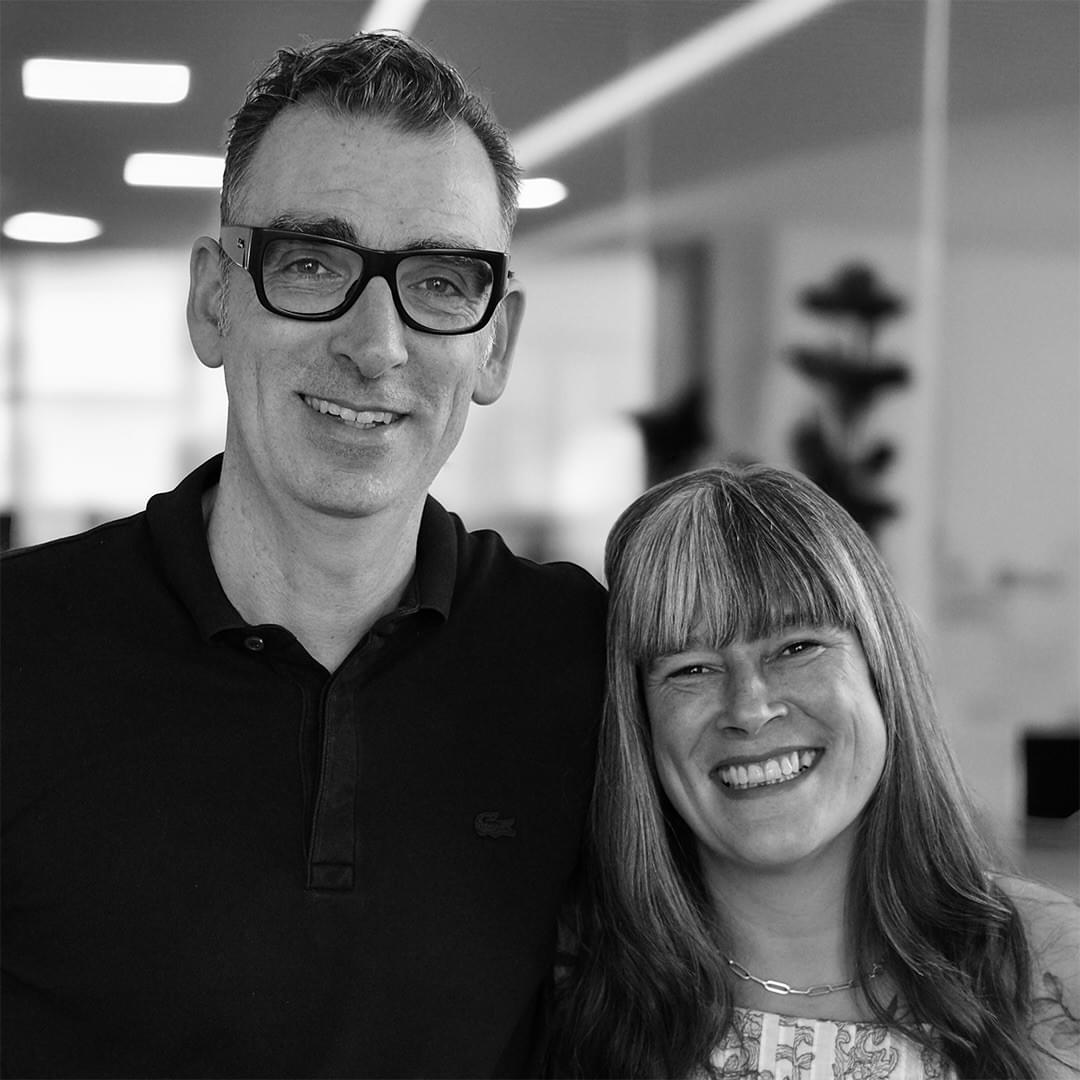
That is where their paths converged.
And long before their names appeared together on a dial, both had already spent years doing something fundamental to the survival of mechanical watchmaking:
Passing it on.
After leaving WOSTEP, that philosophy eventually took them as far as Cambodia, where they helped establish a watchmaking training program in Phnom Penh. Students weren't simply taught to assemble movements. They learned traditional skills including making components, adjusting movements and finishing parts.
The details of that story could fill an article of their own.
For our purposes, what matters is what it reveals about the people behind Atelier Pieters. For Maarten and Jessica, watchmaking was never simply something to manufacture. It was something to transmit.
A MOVEMENT THAT BEGAN AS A LESSON
That distinction becomes important when you discover where the movement inside Atelier 1 came from.
The architecture can be traced back to the T2-03, a tourbillon calibre developed through their company time2 as an educational platform.
Think about that for a moment.
The ancestor of the movement inside a platinum tourbillon was not originally conceived as a luxury product.
It was conceived to teach.
The T2-03 would later become part of their work in Cambodia and provide the foundation for the ASEAN Lotus Tourbillon project created around the 2022 ASEAN Summit.
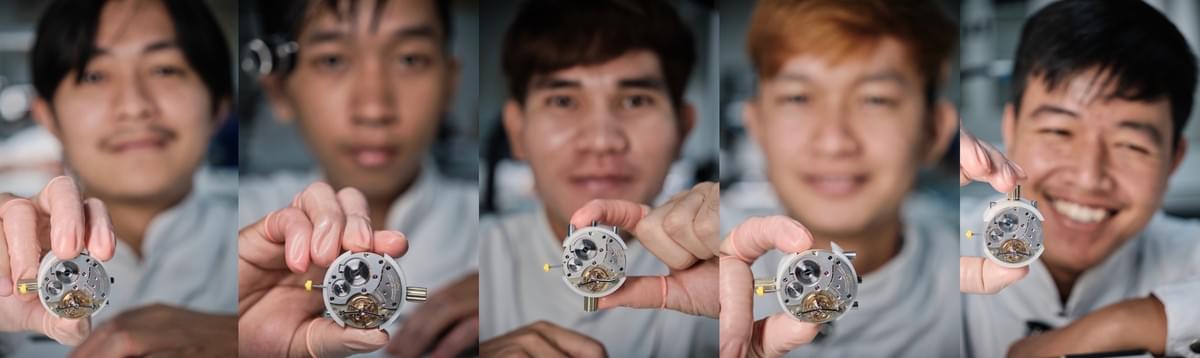
Today, that mechanical lineage has evolved into the T2-03RM inside the Atelier 1.
And suddenly the movement becomes more than a specification. It becomes continuity.
Knowledge moved from teacher to student, from Switzerland to Cambodia, from an educational calibre to a finished watch — and eventually back into something carrying the Pieters name. Which brings us, finally, to the watch.
ATELIER 1
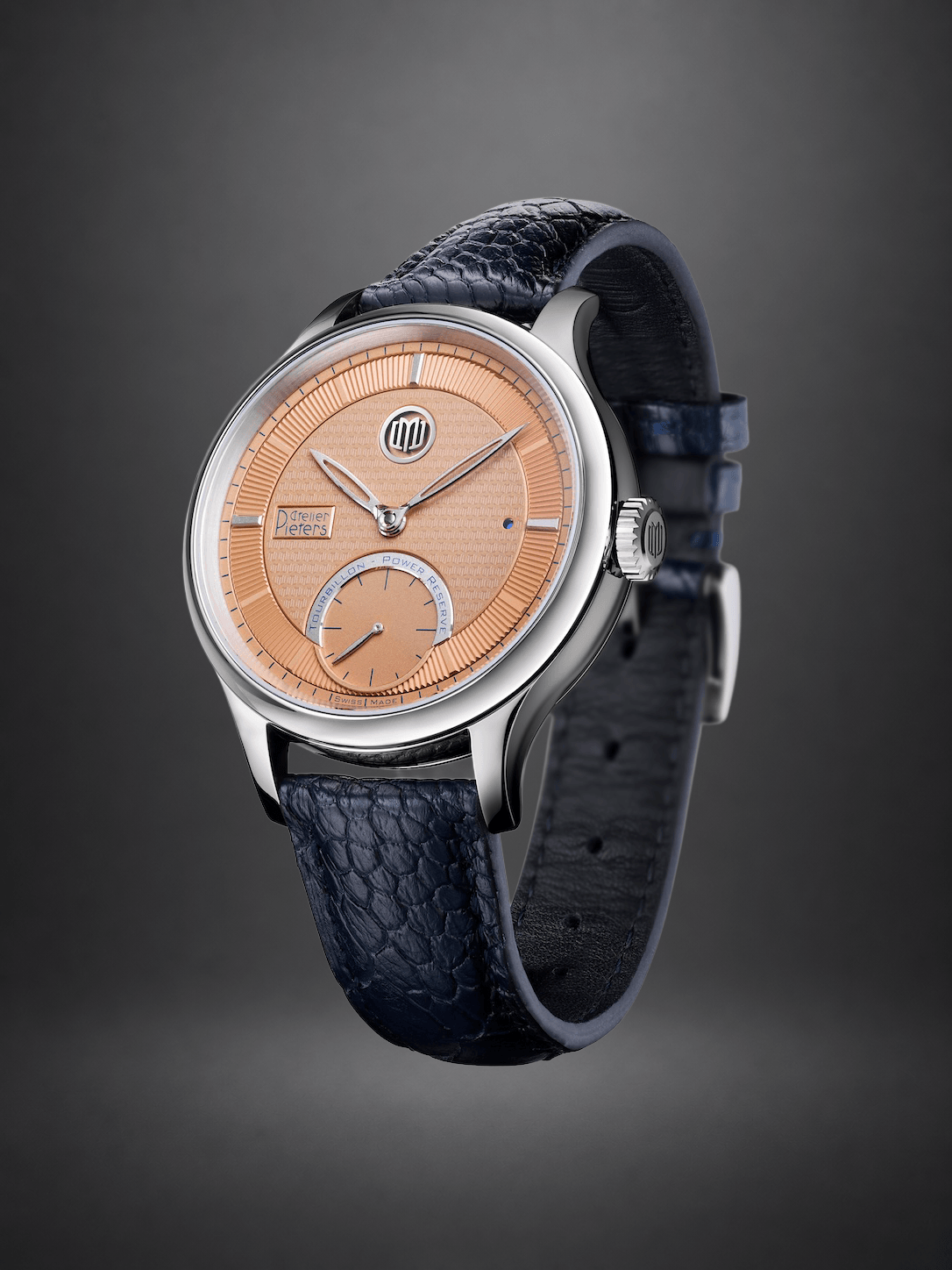
Atelier 1 is the first watch from Atelier Pieters, offered as the Jour and Minuit, with only eight pieces of each.
Its polished Pt950 platinum case measures 43.5mm × 13mm, substantial dimensions for a watch that otherwise seems remarkably uninterested in announcing itself.
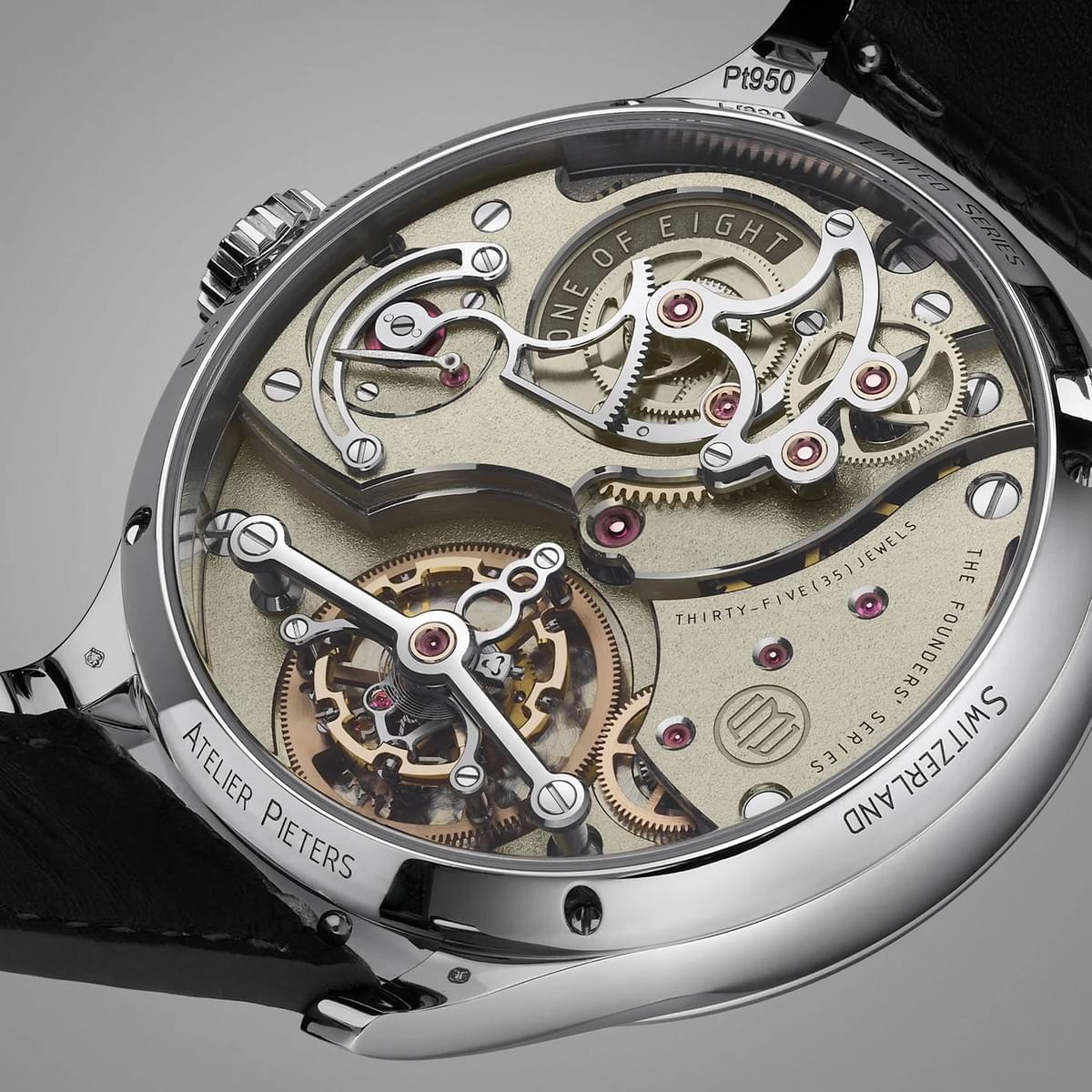
Inside is the manually wound T2-03RM, measuring 36.6mm across and beating at 3Hz. It offers approximately 50 hours of power reserve, 35 jewels, five gold chatons and a one-minute tourbillon regulated by a variable-inertia balance with eight adjustment screws and a free-sprung Breguet overcoil.
There is serious watchmaking here.
But what fascinates me is how little of it Atelier Pieters feels compelled to show you immediately.
The tourbillon isn't on the dial. Turn the watch over if you want to see it.
Even the movement's unusual dual-display planetary power reserve is treated with restraint. On the movement side, the remaining energy is indicated conventionally by a hand. On the dial, the same information is reduced to a tiny circular aperture at three o'clock. You could almost miss it. And perhaps that is the point.
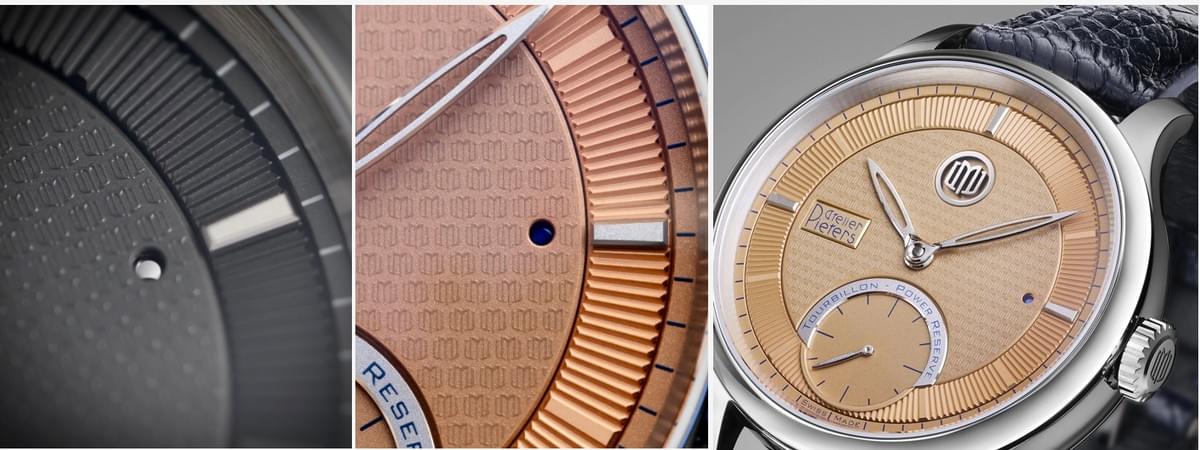
In an industry where complications are often designed to announce themselves from across the room, Atelier 1 asks you to come closer.
With this watch, some of the most interesting things are the ones you don't see at first.
There is something strangely appropriate about that.Because the same could be said about the people who made it.
THE OTHER SIDE
Turn Atelier 1 over and its personality changes completely.
The restraint of the dial gives way to the mechanical architecture of the T2-03RM: the tourbillon, the power-reserve mechanism, German-silver bridges and plates, and the hand finishing that places this watch firmly within the conversation of contemporary haute horlogerie.
Those German-silver components are deliberately left unplated, allowing the material to evolve naturally with time. The movement combines black polishing, anglage, grainage, satinage, perlage and colimaçonnage.

Atelier Pieters manufactures and finishes much of the movement itself, while openly acknowledging that certain specialised components and processes are entrusted to outside craftspeople. I like that.
Because independence does not have to mean isolation.
Swiss watchmaking existed for centuries through networks of specialised artisans. Pretending otherwise because in-house has become one of modern luxury's favourite expressions would erase part of the very tradition these watches claim to preserve.
Sometimes knowing who should make something is as important as knowing how to make it yourself.
BUT A BEAUTIFUL STORY ISN'T ENOUGH
This is where we need to be careful. Because once we become emotionally invested in the people behind a watch, it becomes dangerously easy to stop evaluating the watch itself.
The Atelier 1 costs CHF148,500 before taxes. Its platinum case measures 43.5mm. Water resistance is only 30 metres.
Production is approximately four watches per year, and just sixteen examples will exist across the Jour and Minuit Founders' Series.
At that price, Atelier Pieters enters extraordinarily serious territory. It isn't competing only with other emerging independents. A collector with nearly CHF150,000 to spend has access to some of the finest watchmaking being produced today.
A beautiful story cannot answer whether the finishing justifies the price. It cannot tell us how 43.5mm of platinum feels on the wrist.
And photographs cannot tell us whether those polished surfaces, internal details and hand-finished components survive examination under a loupe.
I haven't handled the watch. So I won't pretend to know.
Soul should make us curious. It should never make us blind.
SO WHAT DOES “SOUL” ACTUALLY MEAN?
The watch industry loves that word "Soul" Along with heritage, passion, timeless and a handful of others, it has been repeated so often that sometimes it feels almost meaningless.
Can a mechanical object really have a soul? Of course, Atelier 1 is still an object.
Platinum. German silver. Steel. Jewels. Springs. Screws.
It cannot remember Cambodia. It cannot remember WOSTEP. It doesn't know who Maarten and Jessica are.

But we do.
Perhaps that is where the soul of an object actually exists — not inside its materials, but in the human meaning attached to them.
The Atelier 1 carries traces of decades spent learning, restoring, building and teaching watchmaking. It carries the DNA of a movement conceived as an educational tool. It carries the experience of students on another continent learning a craft that existed long before any of them were born.
And finally, it carries the names of the two people who lived that story, none of this will make the watch more accurate. It won't make platinum more precious. And it certainly won't make CHF148,500 inexpensive.
But it may make the watch mean something different. And perhaps that matters more than we sometimes admit.
THE RAW TIME VERDICT
There will always be another launch.
Another collaboration. Another limited edition. Another watch declared collectible before enough time has passed for anyone to know whether it deserves to be collected.
And another carefully constructed story explaining why we should want it.
Atelier Pieters made me think about the opposite possibility. What happens when the story exists first?
When two people spend decades learning a craft, teaching it, preserving it and passing it to others — and only afterward decide to put their own names on a watch?
Maybe the result isn't simply a product. Maybe it is a consequence.
The Atelier 1 is beautiful. Its movement is technically fascinating. Its tourbillon and planetary power-reserve architecture give us plenty to study, and its traditional finishing deserves to be examined properly before we make definitive judgments about it.
But strangely, none of those things is why I wanted to tell this story. Maarten and Jessica are.
The sixteen people who eventually own these Founders' Series watches will undoubtedly possess something rare. A platinum tourbillon made in tiny numbers, built by two deeply experienced watchmakers and carrying all the vocabulary we associate with haute horlogerie.
But rarity may ultimately be the least interesting thing about it. They will also be wearing the consequence of two lives dedicated to watchmaking. And that leaves us with a question.
When the hype disappears, when the waiting lists are forgotten and when today's market prices no longer matter, what do we actually want our watches to leave behind?
Maybe it isn't exclusivity.
Maybe it isn't value.
Maybe it isn't even the watch itself.
Maybe it is what was passed from one human being to another before the watch ever existed.
A legacy.
— Mauricio Venegas
Founder & Editor, RAW TIME