

As the historic Swiss manufacture prepares for a radical transformation, RAW TIME examines whether its greatest challenge is financial survival—or rediscovering the identity that once made it unmistakable.
There is something profoundly troubling about what is happening at Zenith, and I believe the rest of the watch industry should be paying close attention.
On October 22, 2026, the Swiss manufacture, owned by LVMH, confirmed the beginning of a formal employee consultation process as part of a major restructuring. According to reports from Le Temps, subsequently expanded upon by The Business of Fashion, approximately 200 positions could be affected, including around half the workforce at its Le Locle manufacture.
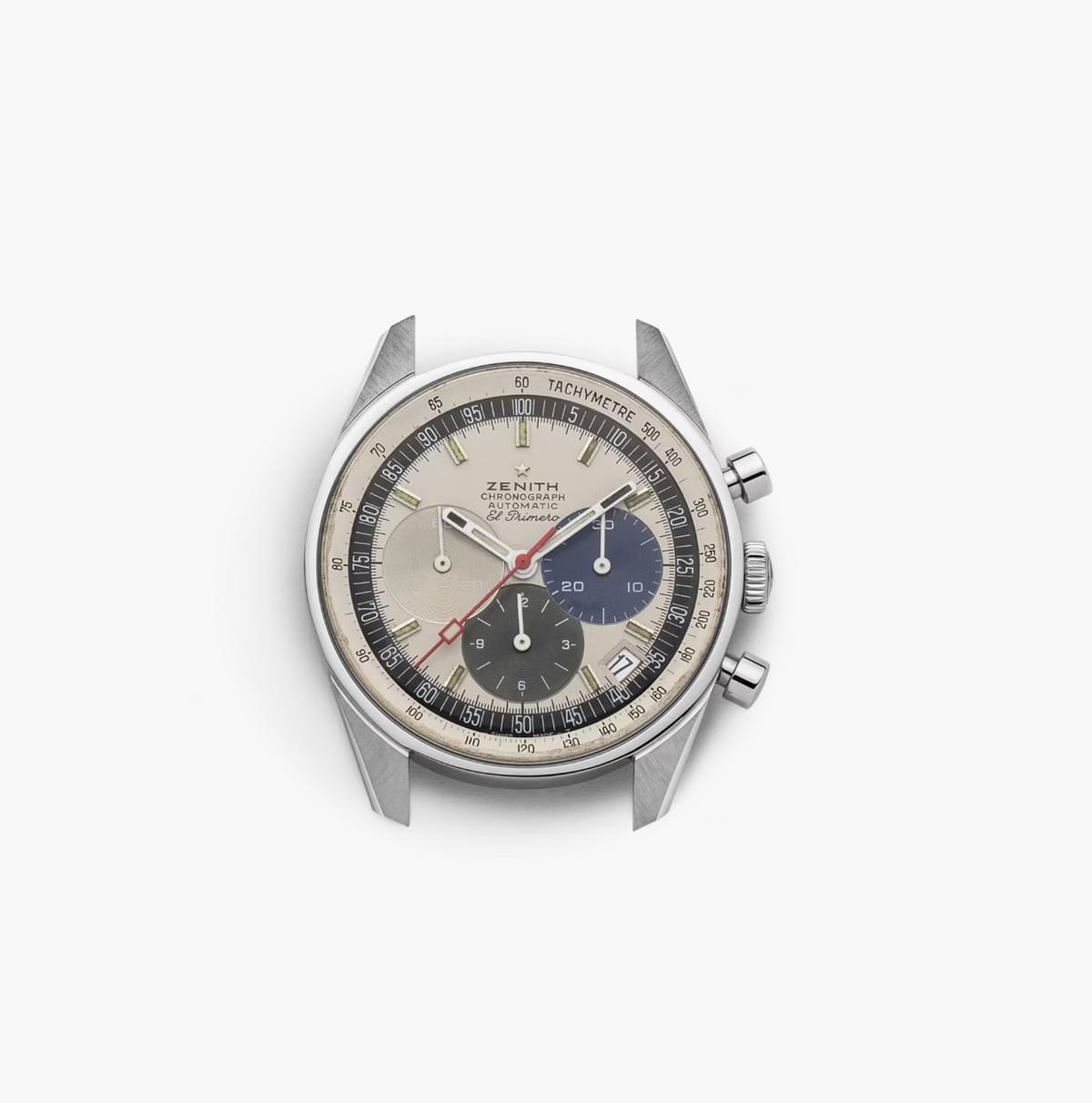
Chief executive Benoît de Clerck has outlined a transformation that could fundamentally change the company's future: reducing its industrial and commercial footprint, discontinuing much of its existing portfolio, and preparing to re-emerge in 2029 as a manufacture focused on haute horlogerie.
This is not simply an administrative reorganization. It is a potential redefinition of what Zenith intends to become.
And personally, I find the situation both painful and fascinating.
When Innovation Is Not Enough
We live in a watch market where certain manufacturers command extraordinary levels of attention, prestige, and desire, even when their mechanical innovations are relatively limited.
That is not necessarily a criticism.
Innovation does not always mean inventing an entirely new mechanism. Some of watchmaking's greatest achievements have emerged through continuous refinement, improvements in movement construction, and the careful evolution of designs that have become genuine icons over several decades.
Rolex is perhaps one of the clearest examples of this philosophy.
But there is another side to this reality. Some manufacturers have invested enormous resources in research, development, and technical innovation, yet have struggled to inspire the same desire among collectors.
To me, Zenith represents one of the industry's most compelling contradictions.
How does a manufacture founded in 1865, with more than 160 years of history and one of the most important chronograph movements ever developed, find itself facing a situation that requires reconsidering almost its entire business model?
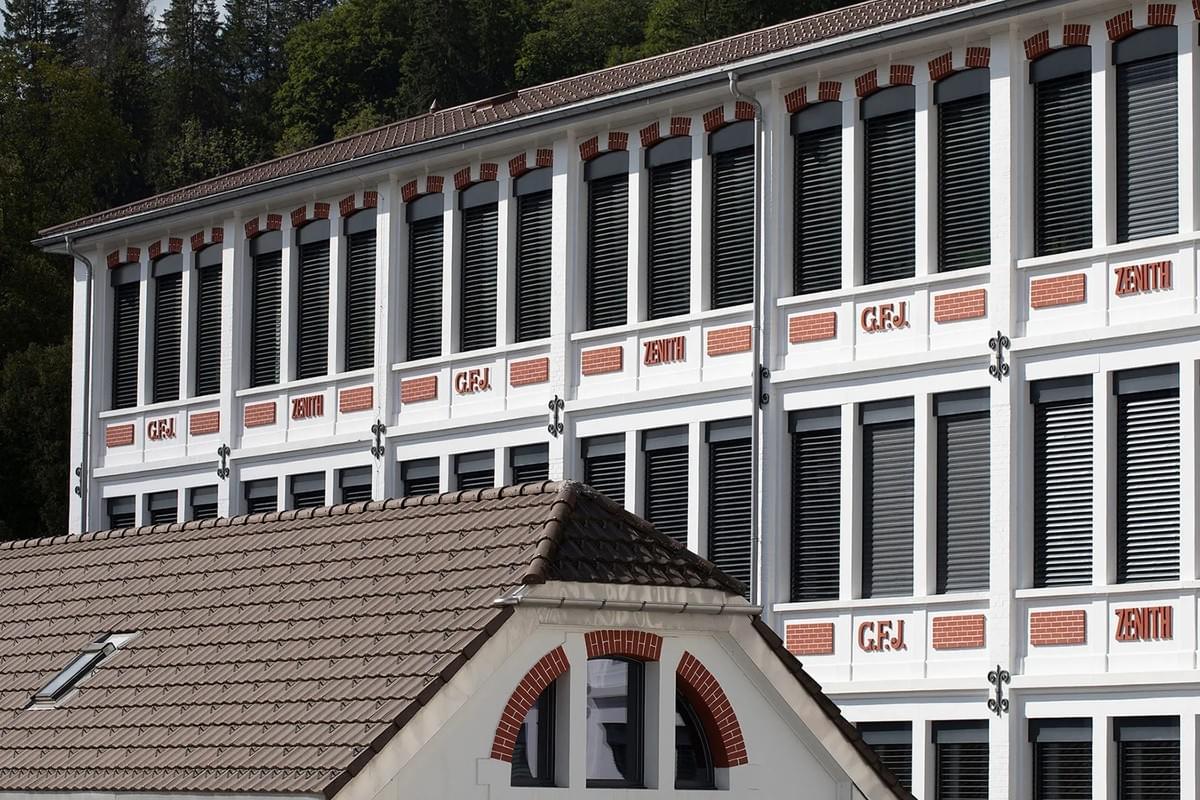
I do not believe the answer lies in a lack of technical ability.
Zenith has produced extraordinary watches. Its contribution to mechanical watchmaking is beyond dispute. The problem, I suspect, is considerably more complicated.
The Identity Zenith Gradually Lost
I believe that somewhere along the way, Zenith lost part of its identity.
I am not suggesting that the company stopped making good watches or that its movements became less relevant. I am referring to something deeper: the difficulty of recognizing a consistent vision behind its collections and commercial decisions.
At certain moments, some of its design directions seemed to move closer to the visual language of brands such as Hublot rather than reinforcing the characteristics that historically made Zenith distinctive.
This is not intended to dismiss Hublot, a brand that has developed interesting technical solutions of its own and follows a different philosophy. The question is more fundamental: why should a manufacture with Zenith's extraordinary heritage feel the need to resemble anyone else?
I suspect that constant experimentation with new designs, collections, and commercial positions gradually weakened the clarity of its identity.
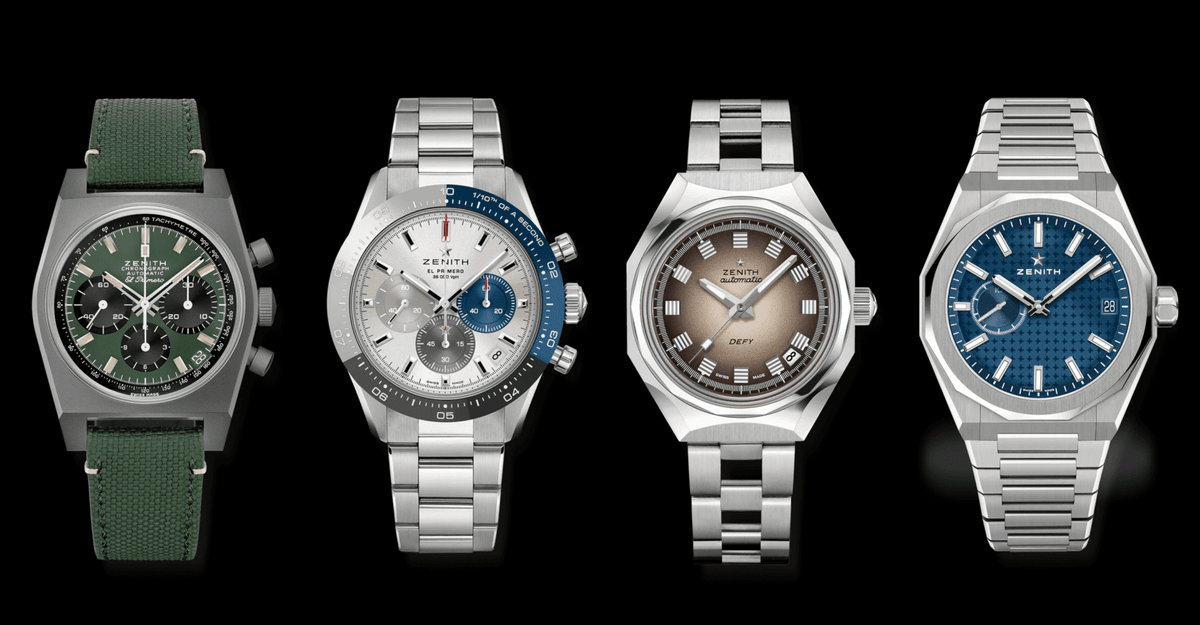
And here, we cannot ignore the responsibility of leadership.
The strategic decisions of a watch manufacture should not be judged exclusively by the number of references introduced, advertising campaigns, or short-term commercial results. They should also be evaluated by their ability to build an identity that remains recognizable and relevant across generations.
Perhaps, in its pursuit of new commercial opportunities, Zenith devoted too much attention to demonstrating its technical and creative capabilities while neglecting the consolidation of what it truly wanted to represent.
This brings me to a question I believe is central to its future:
Has Zenith spent too much time demonstrating what it can manufacture, and not enough defining what it wants to be remembered for?
For me, this is one of the defining questions surrounding Zenith's future.
Zenith does not need to prove that it knows how to build a sophisticated mechanical movement. The El Primero established that credibility decades ago.
What it needs is to recover a clear sense of purpose.
The El Primero and Rolex Paradox
There is a remarkable chapter in watchmaking history that illustrates this contradiction.
When Rolex introduced the automatic Daytona in 1988, it turned to a heavily modified version of Zenith's El Primero movement. That architecture became the foundation of Rolex's calibre 4030, used until the arrival of the manufacture's own calibre 4130 in 2000.
Over time, the Daytona became one of the world's most recognizable and desirable chronographs.
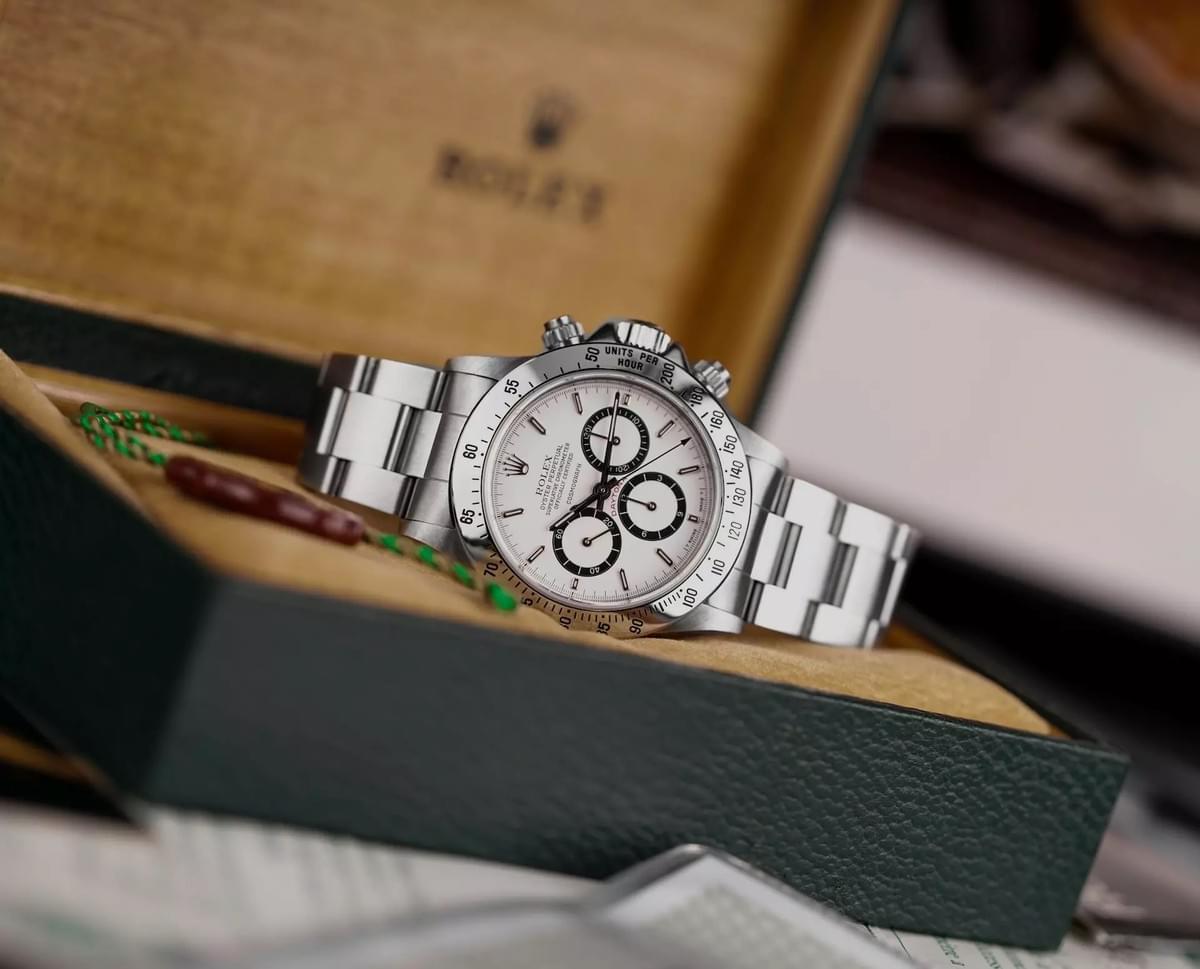
Meanwhile, Zenith, the creator of the original movement architecture, never managed to translate that same technical heritage into a comparable level of sustained commercial recognition.
This does not mean Rolex necessarily manufactured a superior movement, nor that Zenith was incapable of producing watches worthy of the industry's greatest names.
The lesson is far more interesting.
Technical excellence alone does not create desire.
An extraordinary movement can establish credibility. But transforming that credibility into lasting prestige requires something more: identity, consistency, exceptional execution, and the ability to make a collector feel that a particular watch could not have come from any other manufacture.
Rolex understood the importance of building a recognizable identity around its products. Zenith, despite its remarkable mechanical heritage, has not always succeeded in translating its history into an equally clear commercial proposition.
And that should make us reflect on the difference between manufacturing a great watch and creating a watch that people genuinely want to own.
A Crisis That Goes Beyond Zenith
It would be unfair to attribute the entire situation to internal decisions.
The Swiss watch industry is undergoing significant changes. A strong Swiss franc, American import tariffs, and contracting demand in important markets have placed particular pressure on manufacturers competing in the middle segments of luxury watchmaking.
Zenith has not escaped these conditions.
According to Morgan Stanley estimates cited by The Business of Fashion, its sales declined from approximately CHF 138 million in 2023 to CHF 98 million in 2025. Over the same period, estimated annual production fell from 13,000 to 8,500 watches.
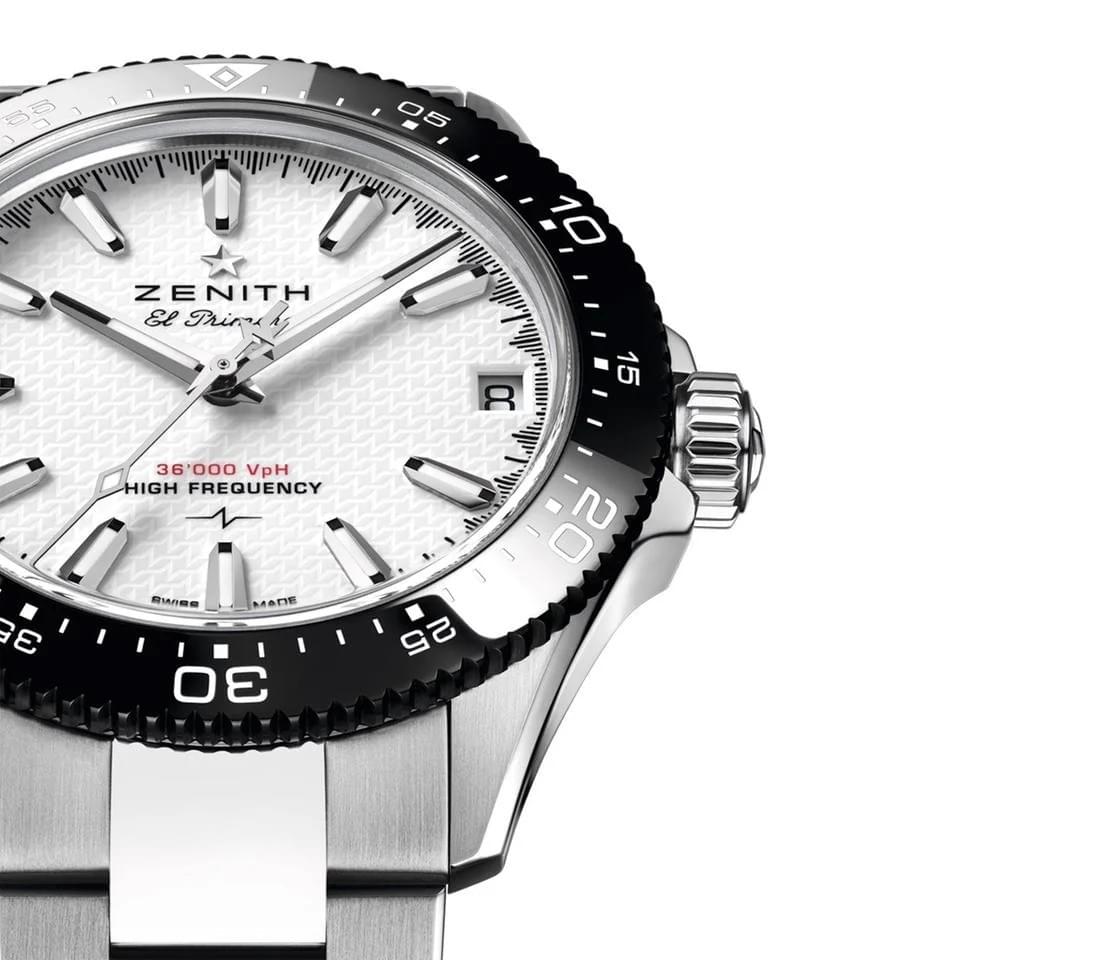
These figures are external estimates rather than individually disclosed Zenith financial results, but they help illustrate the scale of the challenge.
Maintaining an industrial infrastructure designed to produce substantially more watches than the market is currently absorbing creates a financial burden that becomes increasingly difficult to sustain.
However, economic conditions explain the urgency of the transformation, not necessarily every reason Zenith arrived at this point.
Its strategy, the continuity of its collections, and the perception it has built among buyers also deserve examination.
A market downturn can affect many brands, but not all enter it with the same strength of identity.
The Human Cost of Radical Transformation
There is one aspect of this story that should never be reduced to numbers.
Approximately 200 positions could be affected by the restructuring. Behind each one are people, families, and professionals who have dedicated years of their lives to preserving and developing Zenith's watchmaking knowledge.
The employee consultation process, expected to continue until November 12, remains ongoing. It would therefore be premature to describe the proposed reductions as completed layoffs.
Nevertheless, the potential consequences are profound.
In haute horlogerie, knowledge does not reside exclusively in drawings, patents, or machinery. It also lives in the hands of watchmakers, the experience of technicians, and skills that take years to develop.
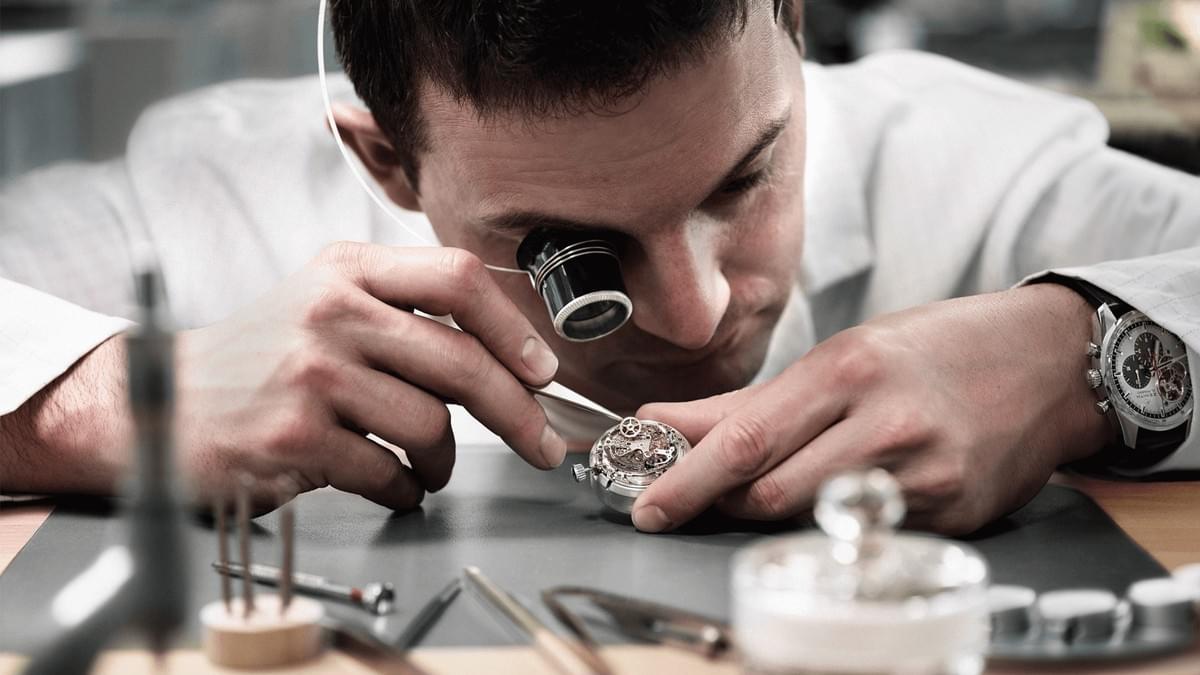
Reducing an industrial structure may be necessary to ensure a company's survival. But it can also mean losing capabilities that are difficult to rebuild.
I understand that companies sometimes need to make drastic decisions to correct a business model that no longer works. But we should not confuse corporate transformation with automatic success.
The hardship facing employees deserves recognition, even if the eventual outcome strengthens the manufacture.
And there is a paradox Zenith will have to confront: how does a company aspire to achieve higher levels of artisanal excellence while contemplating such a substantial reduction in its workforce?
Can Zenith Be Reborn as a Haute Horlogerie Manufacture?
The intention to return in 2029 with a proposition centered on haute horlogerie is extraordinarily interesting to me. And I do not consider it an unrealistic ambition.
Zenith possesses the history, technical knowledge, and mechanical heritage necessary to compete at that level.
The recent G.F.J. Calibre 135, inspired by one of the manufacture's most important historical movements, suggests a possible direction: recover its heritage, reinterpret it with ambition, and elevate the execution of its products. But we should be careful.
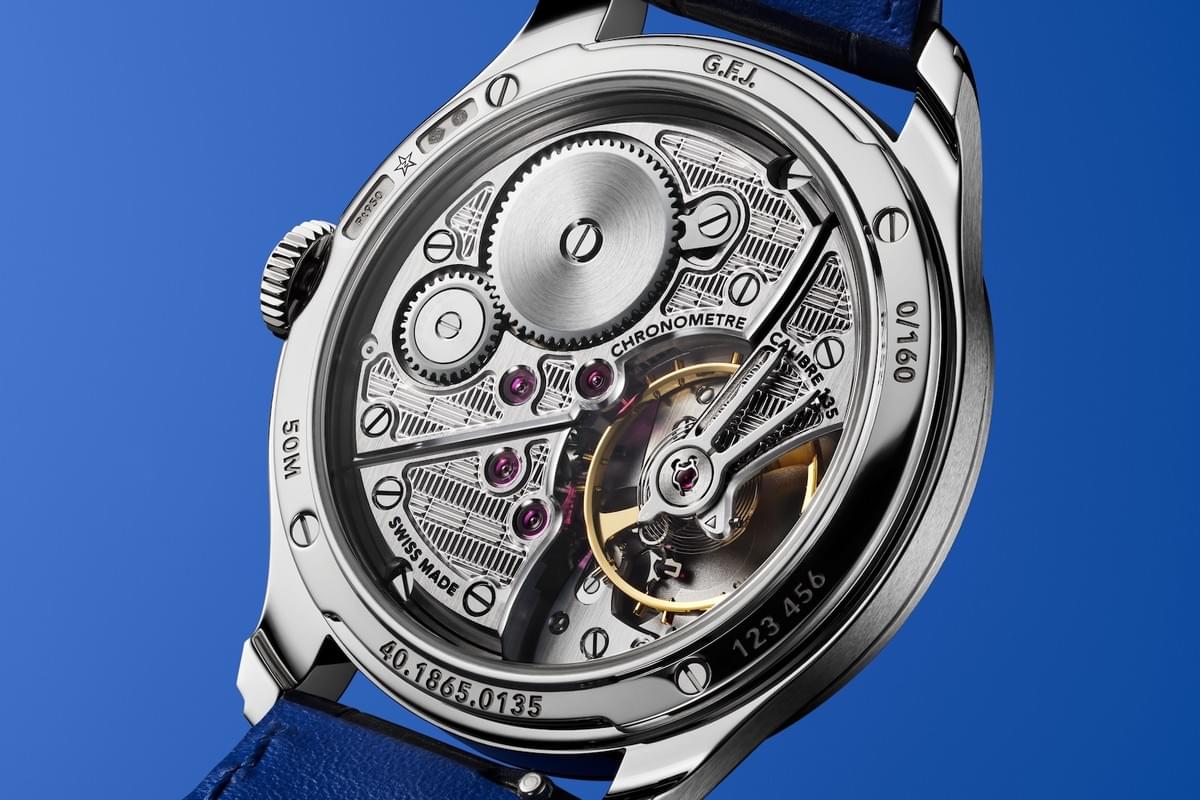
Building a more elaborate watch, improving its finishing, reducing production, or dramatically increasing its price does not guarantee that collectors will desire it.
Exclusivity cannot simply be declared. It has to be earned.
And this, I believe, is where Zenith faces its greatest challenge.
It does not need an endless number of models. Personally, I would rather see Zenith produce two extraordinary collections, each with an unmistakable identity, impeccable construction, and a genuine connection to its history, than maintain an extensive catalogue where it becomes difficult to understand what the brand truly represents.
Every watch should have a clear reason to exist. Every calibre should express genuine mechanical ambition.
Every bridge, every wheel, every pinion, and every hand should communicate the same commitment to excellence.
I am not talking about exclusivity as an advertising tool, but about a level of quality that can be observed, understood, and appreciated.
Zenith should not attempt to become another Patek Philippe, another A. Lange & Söhne, or another Rolex.
It should aspire to become the finest possible expression of Zenith itself.
The Desire to Own Something Extraordinary
There is something I consider essential to true haute horlogerie that rarely appears in financial analysis: desire.
When someone acquires a watch from a great manufacture, they are not simply purchasing a mechanical instrument designed to measure time.
They are acquiring a history, a tradition, a philosophy, and an expression of human knowledge.
I would like someone purchasing a Zenith in the future to feel that they are adding something genuinely special to their collection.
A watch whose construction justifies its prestige. A timepiece that does not rely exclusively on advertising campaigns or limited availability to explain its value.
An object capable of inspiring admiration even among those who may never be able to acquire it.
Because, to me, that is one of the most fascinating aspects of haute horlogerie.
Not everyone can own an extraordinary watch, but everyone can admire its construction, understand its importance, and aspire to possess one someday.
A Zenith should be a watch that its owner is proud to possess, and that those who cannot afford it still dream of owning.
If the new strategy succeeds in inspiring that feeling, then we will be witnessing something far more significant than a commercial reorganization.
We will be witnessing the recovery of an identity.
The Rebirth of the Phoenix
Zenith's history already contains an extraordinary story of survival.
During the quartz crisis, Charles Vermot preserved the tools, drawings, and components essential to the production of the El Primero, defying decisions that threatened to erase that mechanical architecture.
His determination helped ensure that the knowledge survived and that the movement would eventually reclaim its place in the industry. Today, Zenith faces a different kind of threat.
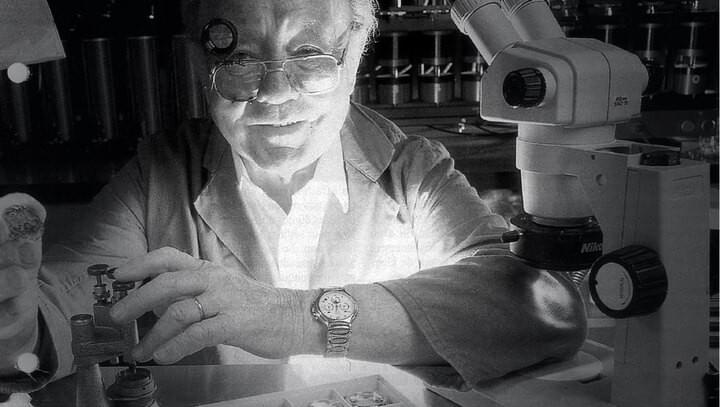
It is no longer a question of saving mechanical watchmaking from a technological revolution. It is about finding a compelling reason to exist in a market where technical excellence does not always translate into commercial success.
The proposed transformation is radical. Its human consequences may be painful, and its outcome is far from guaranteed. But it could also represent an extraordinary opportunity.
Like the phoenix, Zenith has the possibility of emerging from a difficult chapter with renewed purpose. Yet that rebirth will not happen simply by discontinuing collections, closing retail locations, or introducing more expensive watches.
It must come from a much deeper conviction about its identity, its heritage, and the place it intends to occupy in watchmaking history.
The RAW TIME Perspective
I believe Zenith deserves to stand among the great haute horlogerie manufactures.
Not because of nostalgia, or because its history automatically grants it that right, but because it possesses the technical and cultural foundations to legitimately aspire to that position.
But deserving an opportunity is not the same as having achieved the objective.
Zenith's real challenge will not be demonstrating that it can manufacture more expensive or exclusive watches. It will be proving that it can build an identity so powerful, coherent, and authentic that its creations once again inspire genuine desire among collectors.
Its history should not exist merely as a marketing tool. It should become the foundation of everything it creates.
Its leaders will need to demonstrate that they have learned from past changes in direction and that this time there is a vision capable of transcending commercial cycles and market trends.
And they must do so without forgetting the people whose knowledge has sustained the manufacture for generations.
I want to believe that 2029 could mark the beginning of a new chapter for Zenith. But I do not want to celebrate a rebirth that has not yet taken place.
I would rather wait and see whether the manufacture can accomplish something far more difficult than repositioning itself commercially: recovering what made it extraordinary and transforming that heritage into an identity capable of enduring for decades to come.
Zenith has already earned its place in watchmaking history.
Now it must demonstrate that it can build a future worthy of that legacy.
No hype. Just time.
— Mauricio Venegas
Founder & Editor, RAW TIME