

The Marine was never a bad watch. But for a name this important, being good was never going to be enough.
There is something slightly strange about looking at a Breguet and having to search for the Breguet in it. That has always been my problem with the Marine.
The luxury sports-watch world is crowded enough already. Every brand seems to want its own recognizable silhouette, its own bezel, its own bracelet, its own design that might somehow become the next timeless sports watch. Very few ever will. Watches like the Submariner or the Seamaster did not become icons because someone decided they should be. Time did that.
Breguet, however, is in the unusual position of not needing to play that game. The name on the dial already carries more than two centuries of watchmaking history.
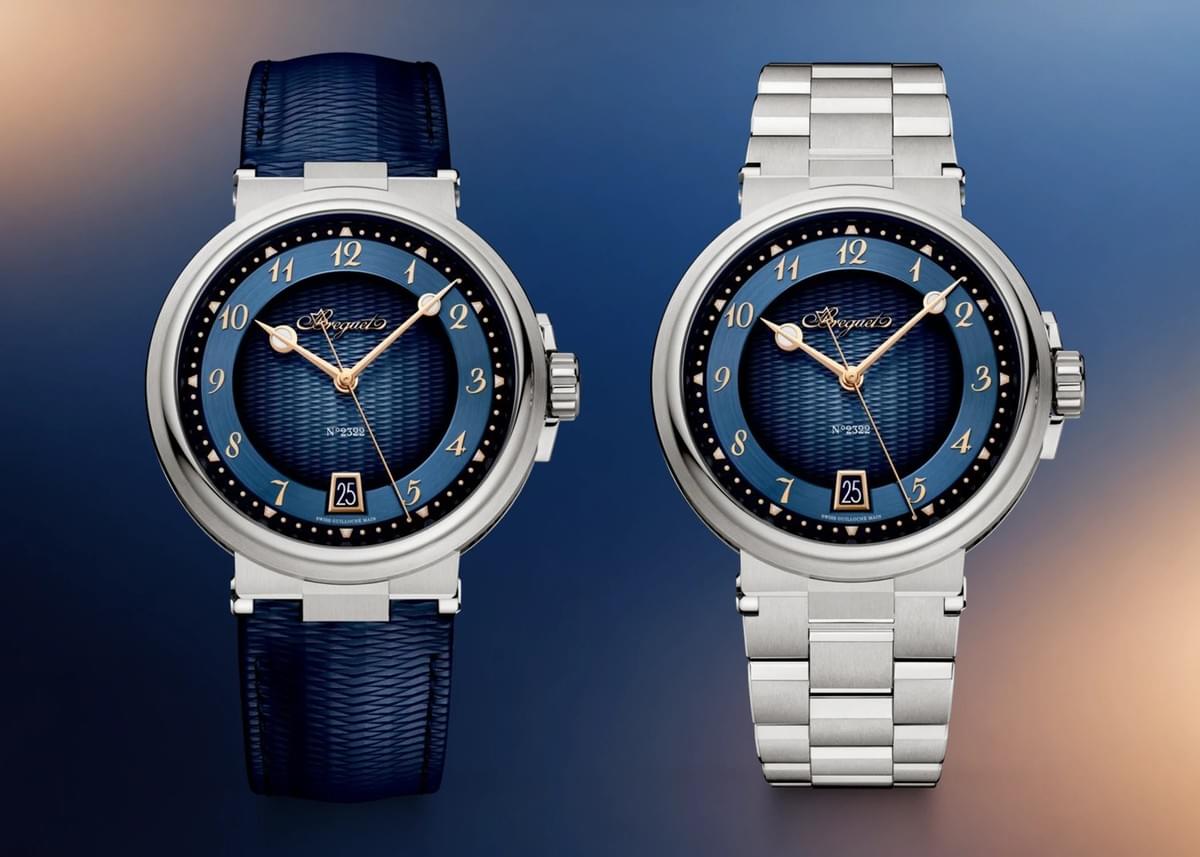
It doesn't need a louder watch or recognition from across the room, and it certainly doesn't need to prove that it belongs in watchmaking. That is precisely why the renewed Marine caught my attention. Not because another expensive Swiss watch has appeared and therefore we are somehow obligated to be excited about it, but because the Marine finally seems comfortable being what it should always have been: a sports watch made by Breguet, rather than Breguet's attempt at making a luxury sports watch.
THE MARINE NEVER LACKED LEGITIMACY
If there is one brand that doesn't need to manufacture a historical excuse for making a Marine watch, it is Breguet. Abraham-Louis Breguet was appointed Watchmaker to the French Royal Navy in 1815, giving the collection a genuine historical foundation in an industry remarkably good at finding convenient stories in old archives.
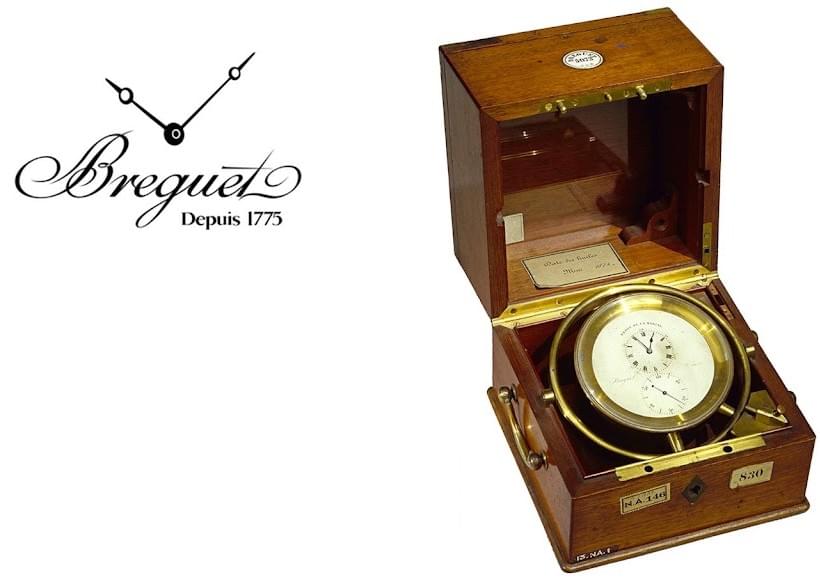
Yet the previous Marine sometimes felt strangely disconnected from the identity behind that history. There was nothing fundamentally wrong with it. The finishing was there, the movements were serious and the construction was unmistakably high-end. But visually, the Roman numerals, aggressive wave-pattern dial and contemporary execution could make it feel like Breguet stepping into the luxury sports-watch category rather than extending its own design language into it.
That distinction matters because few manufacturers possess a vocabulary as recognizable as Breguet: its numerals, open-tipped hands, engine-turned dials and a particular kind of elegance that has survived centuries. When you possess that much identity, moving away from it isn't necessarily progress.
SOMETIMES A REDESIGN IS REALLY A CORRECTION
Look at the renewed Marine 5517 and the difference becomes obvious. The Roman numerals give way to unmistakable Breguet Arabic numerals, while the dial receives the new Quai de l'Horloge guilloché pattern. Individually, none of these changes sounds revolutionary. Together, they completely alter the personality of the watch.
The 5527 chronograph benefits even more. Its cleaner bicompax arrangement eliminates the 12-hour counter and moves the date to six o'clock, giving the dial considerably more room to breathe. Normally, removing functionality from an expensive watch deserves scrutiny, but not every complication earns its place simply by existing. If sacrificing a counter creates a cleaner, more legible watch that finally feels coherent with the manufacturer behind it, I don't particularly miss it.
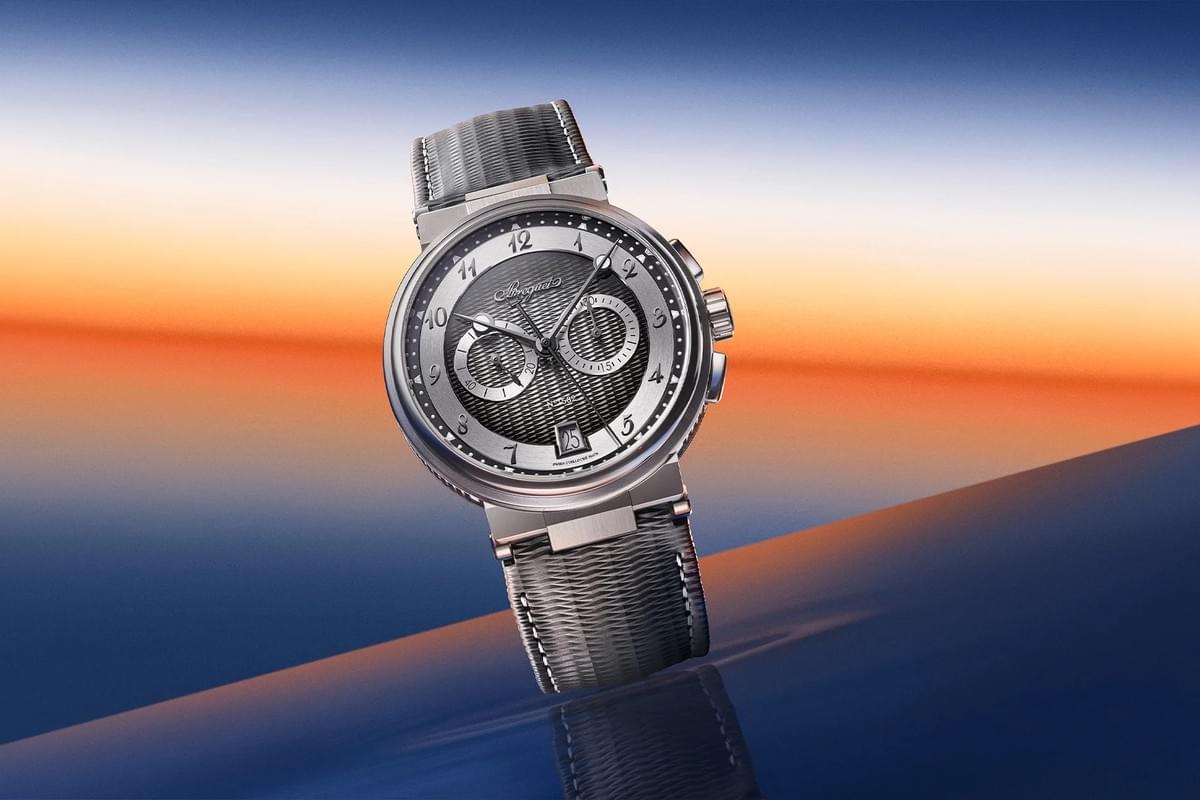
And that is perhaps the achievement of this redesign: the Marine hasn't become more Breguet by becoming more complicated. It has become more Breguet by becoming more confident in what was already there.
YOU KNOW WHAT YOU'RE WEARING
There are watches whose appeal depends partly on recognition. Their silhouettes have become cultural objects; you can identify them across a restaurant, and there is nothing inherently wrong with that. Icons become icons for a reason.
But there is another kind of pleasure in collecting watches that I find far more interesting. You know what you're wearing, even if the person across the room doesn't. You understand what the name Breguet represents, why those numerals look the way they do, why those hands belong there and why Abraham-Louis Breguet occupies a position in mechanical watchmaking that very few names can approach.
That is why I don't think the Marine needs to become Breguet's answer to the Submariner, Royal Oak, Nautilus or anything else. Its job is simply to translate one of watchmaking's strongest identities into something more casual, robust and contemporary without losing what made that identity special in the first place. With this redesign, I think Breguet has come considerably closer.
HISTORY DOESN'T MAKE THE PRICE IRRELEVANT
Admiration, however, shouldn't end the conversation. These remain very expensive watches. The three-hand Marine 5517 continues with Breguet's automatic calibre 777A, while the 5527 chronograph uses the calibre 582QA. Both are serious manufacture movements incorporating silicon technology, but neither suddenly became mechanically revolutionary because the watch surrounding it became more beautiful.
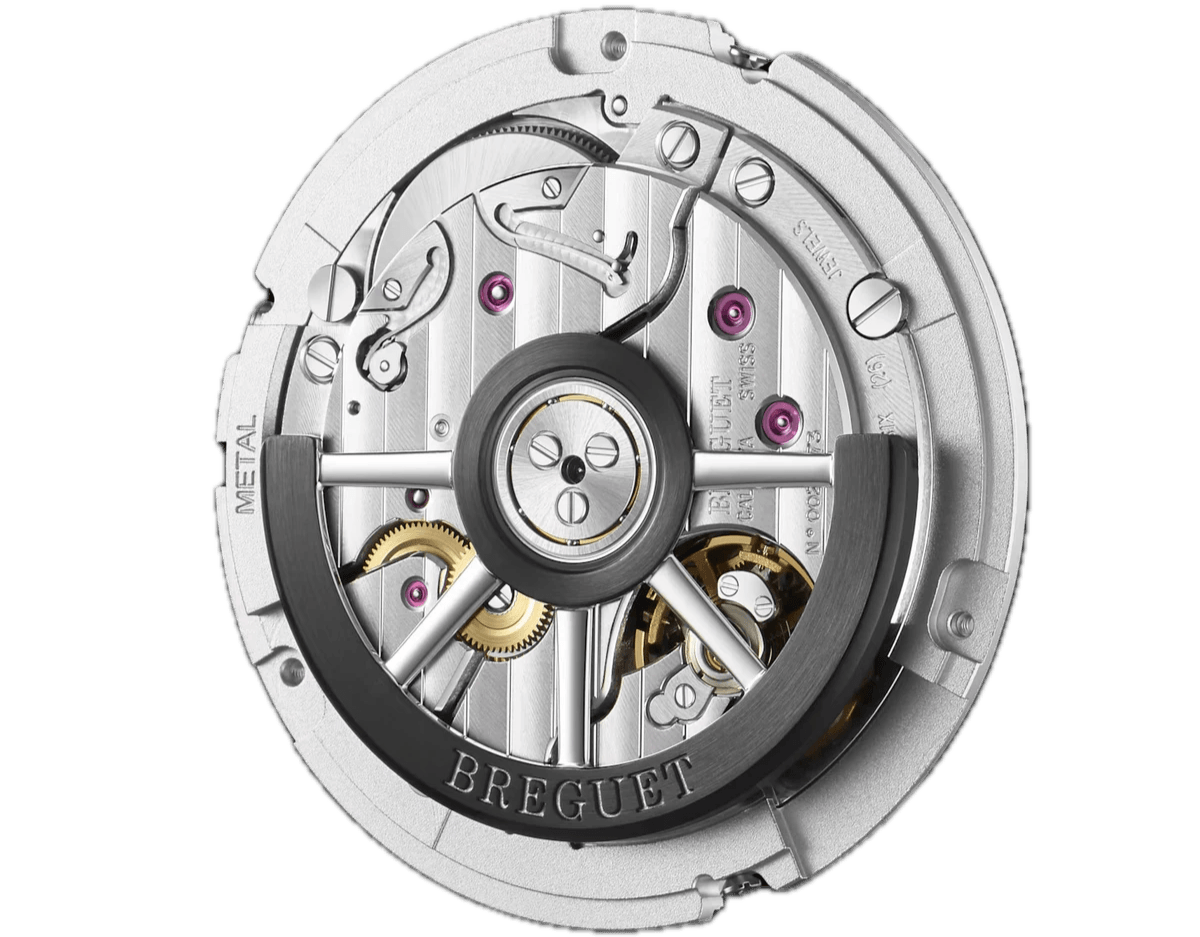
At this level, that matters. A watch costing tens of thousands of dollars shouldn't survive scrutiny on heritage alone. History can explain why a watch is interesting; it cannot automatically explain why it costs what it costs. Collectors should still ask what they are receiving mechanically and how the complete package compares with what else exists at this level.
Perhaps that is Breguet's next opportunity. The exterior of the Marine has rediscovered its identity. Imagine if a future generation pushed its mechanics with the same confidence.
IT SIMPLY NEEDED TO BECOME A BREGUET
Breguet possesses something most manufacturers spend enormous amounts of money trying to create: authenticity. Real history, real inventions, recognizable design codes and a founder whose influence remains visible throughout mechanical watchmaking more than two centuries later. The renewed Marine finally seems willing to use that advantage rather than compete against it.
It remains contemporary, sporty and capable of existing outside the formal world we instinctively associate with Breguet. But now, when I look at it, I don't have to search for the Breguet anymore. It's right there.

And for the enthusiast wearing it, perhaps that is ultimately the attraction. The person sitting across the room doesn't need to recognize it. You know what you're wearing. You know the history behind it, you understand the details, and you know why that name on the dial matters.
The Marine never needed to become another sports-watch icon. It simply needed to become a Breguet.
— Mauricio Venegas
Founder & Editor, RAW TIME